
Radon Mitigation for Finished Basements: Slab Access in St. Louis
By Jake Lusby · Air Sense Environmental
Planning radon mitigation in a finished St. Louis County or Chesterfield basement requires a property-specific access and routing assessment. A suitable design may limit disruption, but some flooring or wall openings can be necessary. The EPA recommends fixing homes at 4.0 pCi/L or higher and considering reduction between 2.0 and 4.0 pCi/L. Air Sense Environmental can assess the proposed work; confirm finish repairs and follow-up testing in the written scope.
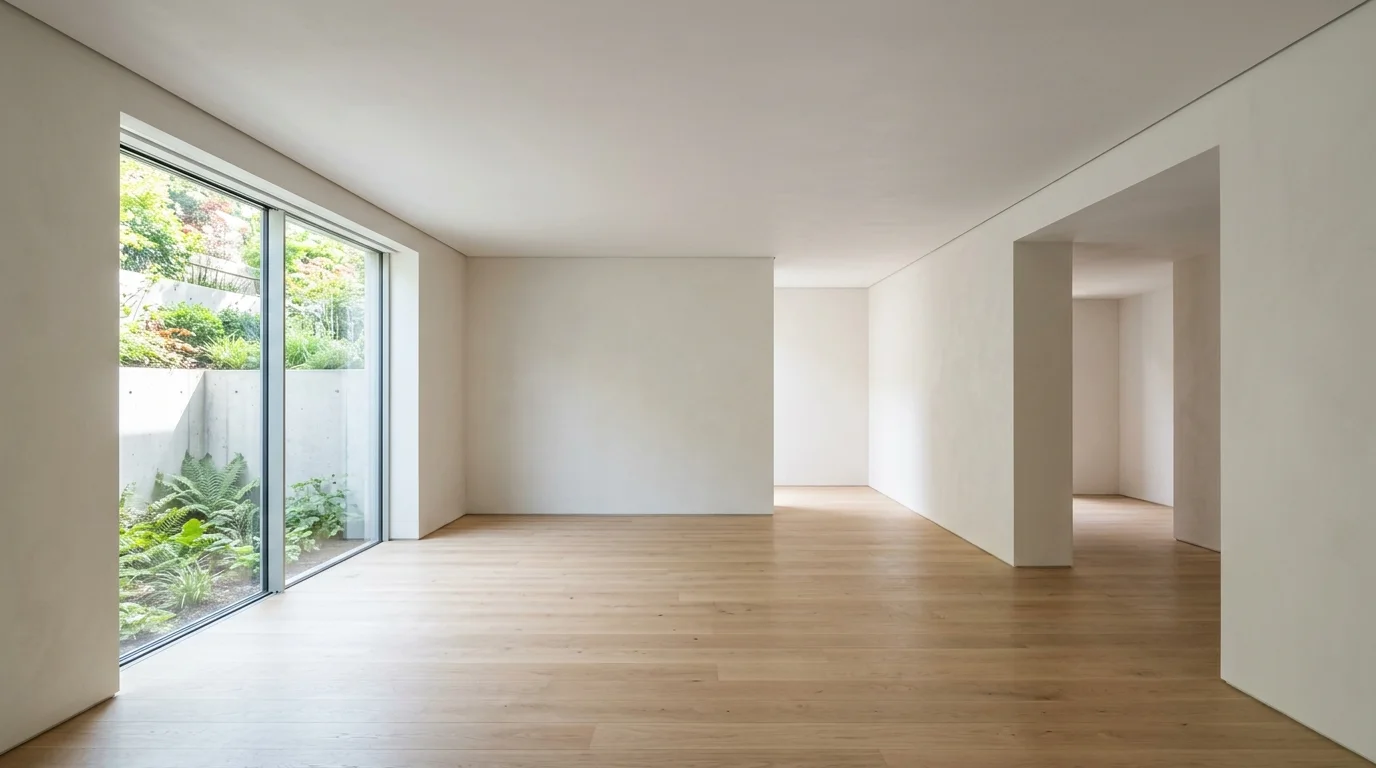
Can radon mitigation be installed in a fully finished basement?
A finished basement can often be assessed for radon mitigation, but the amount of access work depends on the foundation and proposed route. The EPA describes sub-slab suction and other reduction methods. Ask the contractor to explain any openings, visible pipework and restoration before work starts; do not assume installation will leave every finished surface untouched.
Key Installation Factors
Several elements influence the installation approach in finished spaces:
- Existing Utility Access: Leveraging laundry rooms, mechanical closets, or seldom-used storage areas for pipe routing.
- Foundation Type: Identifying the specific slab construction and sub-slab material to optimize suction point placement.
- Aesthetic Preservation: Prioritizing discreet pipe runs and minimal disruption to finished surfaces.
- System Integration: Ensuring the mitigation system blends seamlessly with the home’s existing structure.
How do radon mitigators access the slab in a finished basement?
When high radon levels are detected in a fully finished basement in West St. Louis County, professional radon mitigators from Air Sense Environmental use precise techniques to access the concrete slab beneath existing flooring with minimal disruption. Homeowners often worry about extensive demolition, but the most common and reliable method, sub-slab depressurization, creates negative pressure under the slab to draw radon gas out before it enters the home, as outlined by the EPA.
1. Initial Assessment
Technicians conduct a thorough visual inspection of your finished basement, evaluating the foundation type, identifying potential pipe routes, and determining the optimal location for the suction point. This ensures the least invasive approach.
2. Strategic Slab Penetration
A small, precise hole is carefully created through the finished flooring and concrete slab, often in an inconspicuous area like a utility closet or corner. This targeted opening minimizes impact on your finished space.
3. Sub-Slab Communication Test
A soil communication test can help a contractor assess how air moves between test points under the foundation. The EPA guide describes it as a design aid, not proof of free airflow under every part of the slab or a guarantee that one suction point will be enough.
4. Suction Pipe Installation and Sealing
Once the optimal location is confirmed, a PVC suction pipe is inserted into the slab opening. The penetration point is then meticulously sealed to prevent radon re-entry and ensure the system operates efficiently.
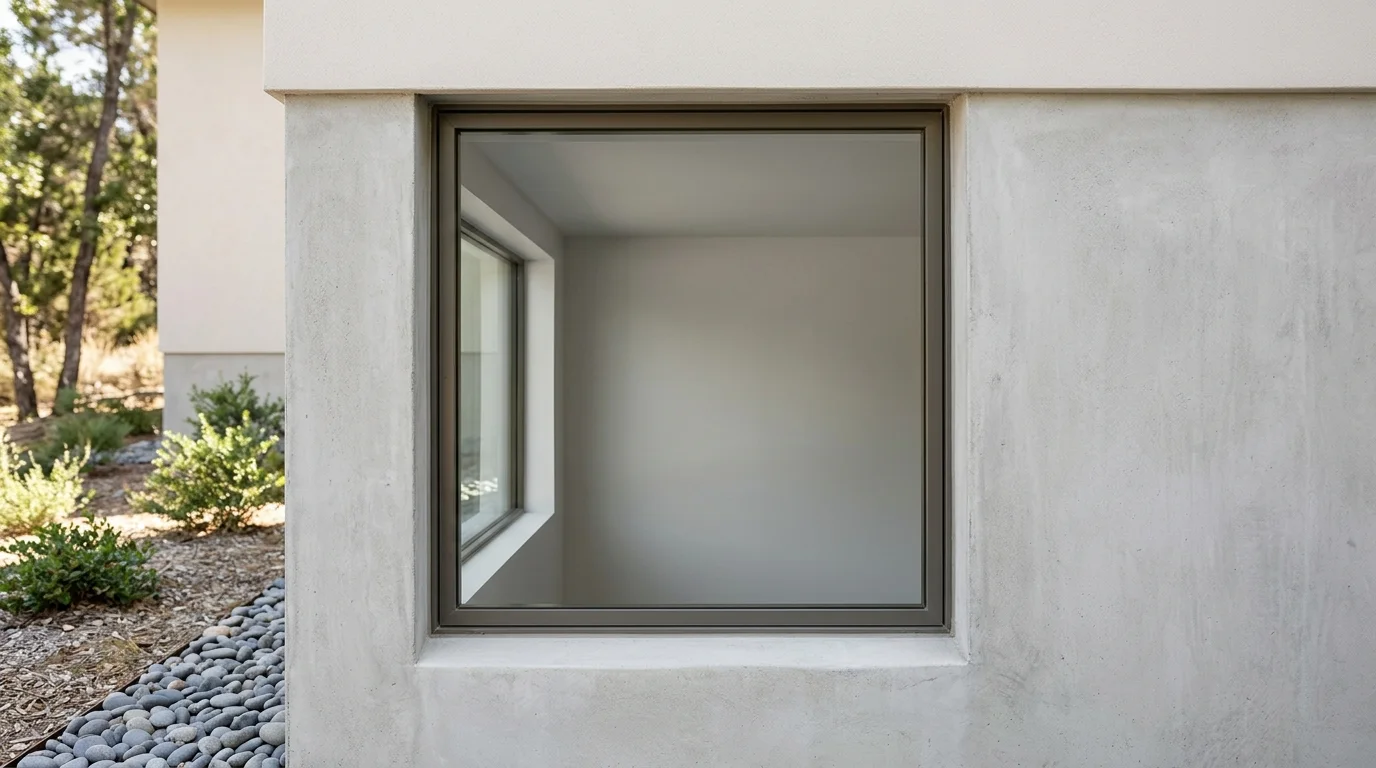
What are the options for routing radon pipes in a finished basement?
The options for routing radon pipes in a finished basement include utilizing interior utility chases, running pipes behind existing drywall, routing through an attached garage, or installing exterior pipe runs. When installing an interior radon mitigation system in West St. Louis County and Chesterfield homes, mitigators prioritize minimizing visual impact to preserve aesthetics. The EPA recommends taking action if radon levels are 4.0 pCi/L or higher, and proper pipe routing ensures the system effectively draws gas from the sub-slab depressurization point to the exterior exhaust.
Interior Utility Chases
Utilizing existing chases or creating new, small enclosures within utility rooms or closets to conceal the pipe vertically.
Behind Drywall or Paneling
Concealing a pipe behind finished surfaces can require opening and repairing them. Ask whether the proposed cavity or chase is suitable and who will complete the finish repairs.
Exterior Pipe Runs
Installing the pipe along the outside of your home, often painted to blend with the exterior siding or brickwork.
Garage Routing
Routing through a garage may be an option, but the discharge is not simply an opening in the garage wall. The EPA guide calls for soil-suction exhaust above the roof surface with the specified clearances, and the fan must not be in or below a livable area. Have the contractor confirm the applicable requirements.
Will radon mitigation damage my finished basement?
Installation can require slab penetrations and openings in flooring, walls or ceilings. The extent depends on the design. Before work starts, agree on access, cleanup, finish repair and responsibility for damage. The EPA recommends a written contract describing the work and these responsibilities; it does not promise a damage-free installation.
Methods for Protecting Finished Spaces
Professionals use specific strategies during installation:
- Strategic Access Points: Identifying inconspicuous locations for slab penetration, such as inside closets, utility rooms, or behind appliances, to limit visible impact.
- Precision Cutting and Sealing: Using specialized tools for clean cuts through flooring and concrete, followed by meticulous sealing and patching to match existing finishes.
- Discreet Pipe Routing: Planning pipe runs through existing chases, within wall cavities, or along exterior walls to keep the system out of sight.
- Dust and Debris Control: Implementing dust containment measures and thorough cleanup protocols to maintain the cleanliness of your finished space.
Why is professional radon mitigation crucial for West St. Louis County homes?
Professional radon mitigation is crucial for West St. Louis County homes due to the invisible health risks of elevated radon levels. Radon, a naturally occurring radioactive gas, seeps into any home, regardless of age or construction. The U.S. Environmental Protection Agency (EPA) recommends taking action to reduce radon levels if they are 4.0 pCi/L or higher, as even levels below this still pose some risk. Professional services ensure mitigation systems are correctly installed to effectively lower these concentrations.
Benefits of Local Expertise
Choosing a professional for radon mitigation in the West St. Louis County area offers several advantages:
- Property-specific design: Professionals evaluate your specific home’s foundation to determine the most effective mitigation strategy.
- Compliance with standards: Mitigators adhere to national and state standards, ensuring the system operates effectively to lower radon concentrations.
- Minimizing disruption: For finished basements, experts can design systems that minimize aesthetic impact and disruption to existing finishes.
- Effective reduction: Reputable professionals install systems designed to reduce radon levels to below the EPA action level of 4.0 pCi/L.
How long does it take to install a radon mitigation system in a finished basement?
Get a property-specific schedule from the contractor. Slab access, routing, electrical work and finish restoration can affect the time required. This article does not establish a one-to-two-day completion promise or that finished-space work adds only a few hours. Record the agreed scope and schedule in the contract.
Factors Affecting Installation Time
- Routing Complexity: Finding clear paths through existing finished walls or ceilings.
- Foundation Layout: Navigating multiple foundation types or segmented slabs.
- Exterior Finishing: Matching exterior pipe runs to the home’s siding or trim.
What does a radon mitigation system look like in a finished basement?
In a finished basement, a radon mitigation system is designed for minimal visual impact. It typically involves a small, sealed suction point in the concrete slab, with a PVC pipe routed discreetly through existing utility chases, closets, or along an exterior wall. The fan unit, which actively draws radon from beneath the home, is usually placed in an attic or outside. This system effectively reduces radon levels, especially when they exceed the EPA action level of 4.0 pCi/L, while preserving your finished aesthetic.
Visual Components
- Sealed Suction Point: A flush, sealed cover over the slab penetration.
- Concealed Piping: PVC pipes hidden in closets or behind drywall.
- System Manometer: A U-tube manometer displays a pressure difference. Compare it with the installer’s operating mark; it does not measure indoor radon or prove that the whole foundation is being depressurized.
Is post-mitigation testing required after installation in a finished basement?
The EPA recommends a post-mitigation test within 30 days of installation, no sooner than 24 hours after the system is operating. This is a recommendation, not a statement of every applicable legal or contract requirement. Confirm who arranges and pays for the test; it is not automatically included in every Air Sense installation. A test measures the result rather than guaranteeing a value below 4.0 pCi/L.
Testing Steps
- Wait 24 Hours: Allow the system to run continuously for at least 24 hours before starting the test.
- Maintain Closed-House Conditions: Keep windows and doors closed during the testing period.
- Verify Results: Ensure the final reading is below the 4.0 pCi/L threshold.
If you are a West St. Louis County or Chesterfield homeowner concerned about radon in your finished basement, do not delay. Our technicians specialize in discreet, effective mitigation solutions. Schedule a consultation today to discuss your home’s specific needs. Visit our contact page to get started.
Prepared with AI assistance using the linked primary sources. For property-specific advice, contact Air Sense Environmental.