
Radon Pipe Routing in Finished Drywall Ceilings, St. Louis
By Jake Lusby · Air Sense Environmental
Radon pipe routing through finished drywall ceilings presents a specific challenge for homeowners across St. Louis, MO and neighboring St. Louis County. This critical process requires meticulous planning to effectively mitigate radon levels, which the EPA recommends fixing at or above 4.0 pCi/L, while simultaneously preserving your home’s interior aesthetics. Air Sense Environmental understands these concerns, providing discreet solutions that integrate mitigation systems seamlessly into your finished basement. This guide explores practical strategies for achieving both effective radon control and a visually appealing outcome in your finished living spaces, ensuring minimal disruption to your home in areas like Chesterfield.
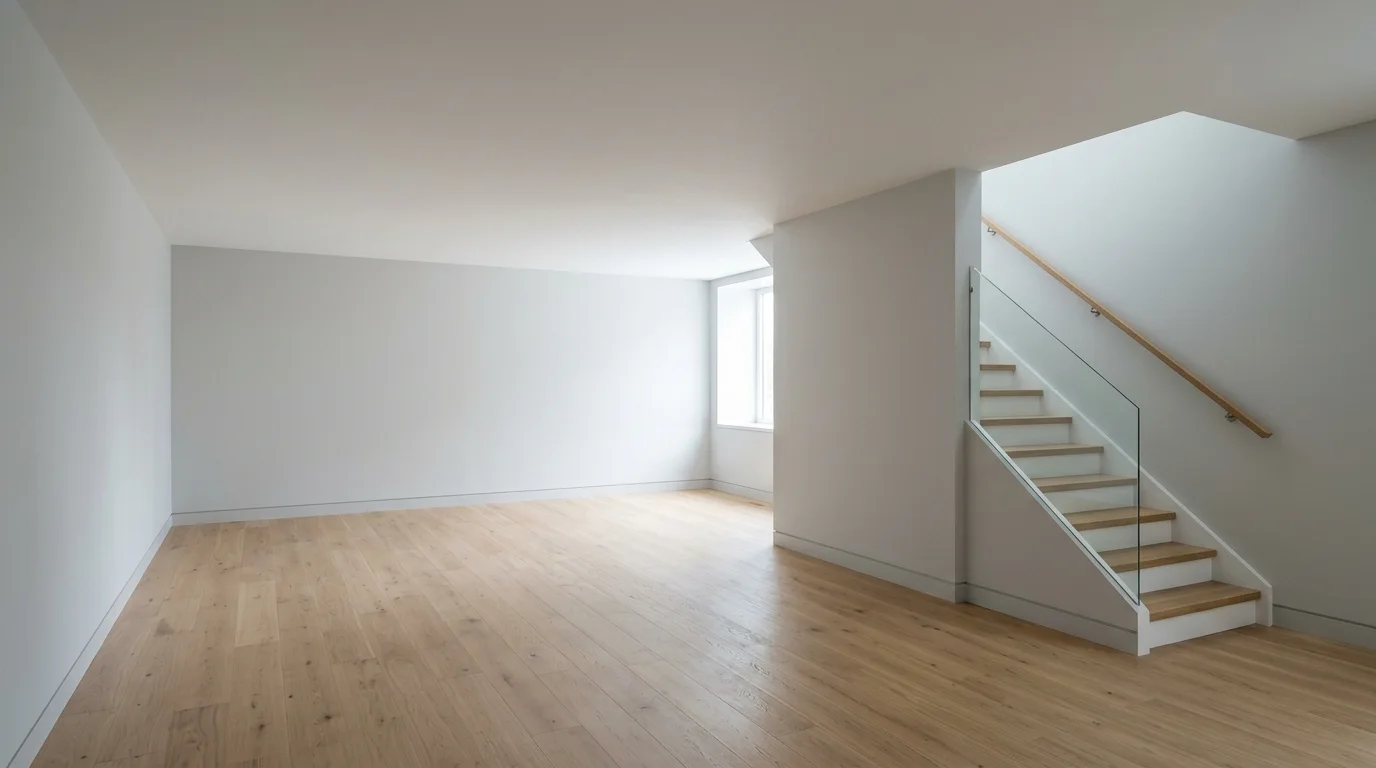
What is the challenge of routing radon pipes through finished drywall ceilings?
The primary challenge of routing radon pipes through finished drywall ceilings is minimizing aesthetic disruption while ensuring effective system installation. Homeowners in West St. Louis County and Chesterfield often worry about several aesthetic issues:
- Extensive cutting of finished drywall.
- Patching and repainting matching challenges.
- Visible PVC piping compromising the room’s design.
This concern can lead to delays in addressing elevated radon levels. The Environmental Protection Agency (EPA) recommends fixing homes with radon levels at or above 4.0 pCi/L to reduce health risks. Proper pipe routing safely vents radon gas from beneath the home to the outside, which often requires careful navigation through interior spaces like finished ceilings. Air Sense Environmental understands these concerns, offering solutions that aim to integrate seamlessly into your home’s existing structure. For more on how interior systems can be discreetly installed, see our guide on Interior Radon Mitigation: Attic Fans and Hidden Pipe Runs.
How should radon pipes be routed through finished drywall ceilings?
Radon pipes should be routed through finished drywall ceilings by utilizing existing joist bays, utility chases, or custom soffits to conceal the PVC piping. The optimal approach depends on your home’s specific layout and existing structural elements. Professional mitigators prioritize discreet pipe placement, often routing a vent pipe from beneath the concrete slab through the house and out, a common practice detailed in the EPA’s Consumer’s Guide to Radon Reduction.
Step 1: Locate Existing Joist Bays
Identify existing joist bays within the finished ceiling. These concealed spaces offer natural pathways for horizontal pipe runs, significantly reducing the need for extensive drywall removal. Strategic access cuts can be made in less visible areas, such as inside closets or utility rooms, allowing the pipe to reach an exterior wall or unconditioned space.
Step 2: Utilize Utility Chases or Bulkheads
Existing utility chases or bulkheads, often around plumbing or HVAC systems, provide ideal pre-built enclosures for radon pipes. Integrating the new PVC pipe within these structures ensures it remains hidden and blends seamlessly with the room’s design. This method avoids new visible protrusions, preserving your finished West St. Louis County basement’s appearance.
Step 3: Box in Pipes for Seamless Integration
When existing joist bays or utility chases are not feasible, boxing in the radon pipe offers an aesthetic solution. This involves constructing a small, enclosed soffit around the pipe, which can then be finished with drywall and painted to match the surrounding ceiling. This approach transforms a functional necessity into an integrated architectural feature, maintaining visual appeal. For comprehensive information on mitigation, consult the Air Sense Environmental homepage.
How can drywall damage be minimized during radon pipe installation?
Drywall damage can be minimized during radon pipe installation by planning strategic cuts, using specialized hole saws, and applying careful patching techniques. Professional radon mitigators in West St. Louis County employ these precise methods to ensure your finished basement’s aesthetics are preserved. The goal is to reduce the need for extensive cutting and patching, making the process as minimally invasive as possible.
Step 1: Plan Strategic Cuts and Measurements
Effective pipe routing begins with a thorough assessment of your basement’s layout. Technicians carefully map out the path, identifying existing joist bays, utility chases, or bulkheads that can conceal the PVC pipe. This strategic planning allows for fewer, more precise cuts, avoiding unnecessary disruption to your finished drywall ceiling.
Step 2: Use Specialized Tools for Clean Penetrations
Minimizing damage relies on using the right tools for the job. Professional mitigators utilize specialized equipment, such as precise hole saws and drywall saws, to create clean, accurate penetrations. This approach prevents jagged edges and oversized openings, which simplifies subsequent repairs and maintains the integrity of your finished surfaces.
Step 3: Apply Careful Patching and Finishing Techniques
Once the pipe is routed, careful attention turns to sealing and finishing. Any necessary penetrations are sealed with appropriate caulking to prevent radon re-entry, as recommended by the EPA’s Home Buyer’s and Seller’s Guide to Radon. Skilled technicians then apply patching and finishing techniques to blend repairs seamlessly with your existing drywall, restoring the room’s appearance. This meticulous work ensures a clean finish, and remember that radon testing is always the first step before any mitigation begins.
Why does Air Sense Environmental prioritize aesthetics in West County radon mitigation?
Air Sense Environmental prioritizes aesthetics in West County radon mitigation because we recognize your home as a sanctuary. Our NRPP-certified and IEMA-licensed technicians (#RNM20232346) approach every installation with the utmost respect for your property, ensuring professional, minimally invasive workmanship. Backed by a BBB A-rating and 132+ five-star reviews, our commitment means carefully planning pipe routing to minimize drywall damage and preserve the visual integrity of finished spaces throughout the St. Louis metro area. We understand that effective radon reduction, even at or above the EPA action level of 4.0 pCi/L, must integrate seamlessly without compromising the comfort or appearance of your living environment.
What kind of pipe material is used for radon mitigation systems?
Radon mitigation systems primarily use Schedule 40 PVC piping, typically 3 or 4 inches in diameter. This material is chosen for its durability, airtight connections, and resistance to corrosion, ensuring a long-lasting and effective seal against radon gas. According to the EPA’s Home Buyer’s and Seller’s Guide to Radon, a 3- or 4-inch PVC pipe safely vents radon and other soil gases to the outside. Proper sealing at all penetration points is crucial for system efficiency and preventing re-entry of radon into your West County home.
Schedule 40 PVC offers several distinct advantages for interior routing:
- Rigid structure that resists sagging in horizontal ceiling runs.
- Smooth interior walls that maximize airflow efficiency.
- Standardized fittings that allow for precise routing around obstacles.
How does the fan in a radon system affect noise levels in a finished basement?
The fan in a radon mitigation system affects noise levels minimally when placed in unconditioned spaces like attics or exteriors. Professional installers locate the fan far from living areas to ensure quiet operation in finished basements. The EPA’s Consumer’s Guide to Radon Reduction explicitly states that the exhaust fan must not be located in or below a livable area. Modern inline fans are designed with low vibration and sound output, making them virtually unnoticeable once installed.
To maintain a quiet environment, installers use specific strategies:
- Mounting the fan in an unconditioned attic space above the living area.
- Securing the fan to the exterior of the house, away from bedroom windows.
- Using vibration-dampening collars to connect the fan to the PVC pipe.
Are there any visual indicators that a radon mitigation system is working correctly?
Yes, the primary visual indicator that a radon mitigation system is working correctly is a U-tube manometer, a liquid-filled gauge typically installed on the PVC pipe. This device displays a pressure differential, confirming the fan is actively creating suction beneath your home’s slab. A visible liquid level difference indicates proper fan function, though it does not measure actual radon concentration. Regular checks of this manometer help ensure ongoing system effectiveness, as EPA guidelines recommend verifying system operation periodically.
Homeowners should perform a quick visual inspection by:
- Locating the U-tube manometer on the visible portion of the PVC pipe.
- Checking that the liquid levels in the two columns are uneven.
- Contacting a professional if the liquid levels are equal, indicating a loss of suction.
If you are concerned about radon in your West County home, understanding your options is the first step. Air Sense Environmental provides expert guidance and professional mitigation services to protect your family. Learn more about our process or schedule a consultation today.
Prepared with AI assistance using the linked primary sources. For property-specific advice, contact Air Sense Environmental.